
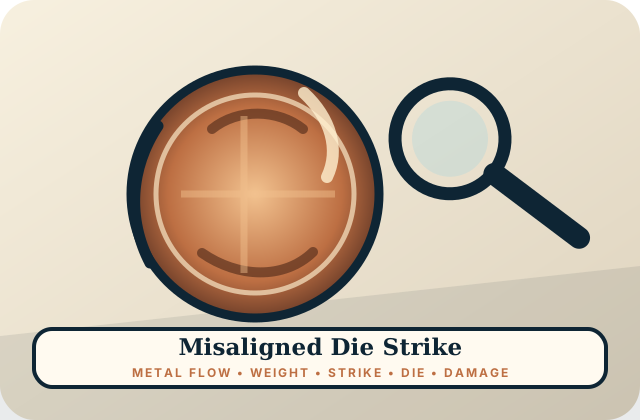
What this classification means
One die is laterally displaced while the other face remains normally centered. A useful identification does more than name an unusual shape. It explains when in production the feature formed, what physical evidence should remain, and which ordinary forms of damage can imitate it.
Diagnostic evidence to record
Compare both faces: one side should be off center while the opposite side stays centered within the collar.
- Photograph both faces straight on, then the full edge and the affected area under angled light.
- Record date, mint mark, denomination, diameter, weight, magnetic response only when safe, and exact feature position.
- Look for uninterrupted design, displaced metal, exposed core, normal luster, weakness opposite the feature, and evidence of collar contact.
- Compare with certified examples and mint-production references, not viral price claims.
Common lookalikes and failure points
Off-center strikes affect both faces; rim damage and uneven wear can falsely suggest misalignment.
One dramatic-looking photograph is rarely enough. A genuine mint-made feature should make sense as a physical result of blanking, upsetting, die preparation, striking, collar operation, ejection, or another documented production event.
A practical examination sequence
- Confirm the host coin. Identify denomination, design subtype, date, mint, composition, and expected weight.
- Describe before naming. Write what the metal actually does without using a marketplace label.
- Test the production theory. Ask which minting step could create every visible feature at once.
- Try to disprove it. Compare impact, heat, corrosion, grinding, squeezing, plating damage, and deliberate alteration.
- Escalate appropriately. Valuable or uncertain pieces deserve review by a specialist or major grading service.
Value factors
Market value depends on error class, severity, visual clarity, host coin, date and mint, grade, whether the date remains readable, certification, rarity within that error class, and recent sold comparables. A huge asking price does not establish value.
Use United States Mint production references to understand how blanks, planchets, dies, collars, and presses work. Use major grading-service references to compare diagnostic language. Treat marketplace descriptions as leads to investigate.